Tribeca is short for “Triangle Below Canal Street,” and it's the neighborhood clients describe to me as the one that feels least like Manhattan while sitting in the middle of it. Here's what I tell buyers before their first showing.
It's quiet, and that's the product
Walk Tribeca on a weekday evening and you'll hear strollers before you hear traffic. Many streets are cobblestone, the blocks are short, and there's little of the nightlife you get in the Meatpacking District or the Lower East Side. People pay for the quiet.
The buildings are the draw
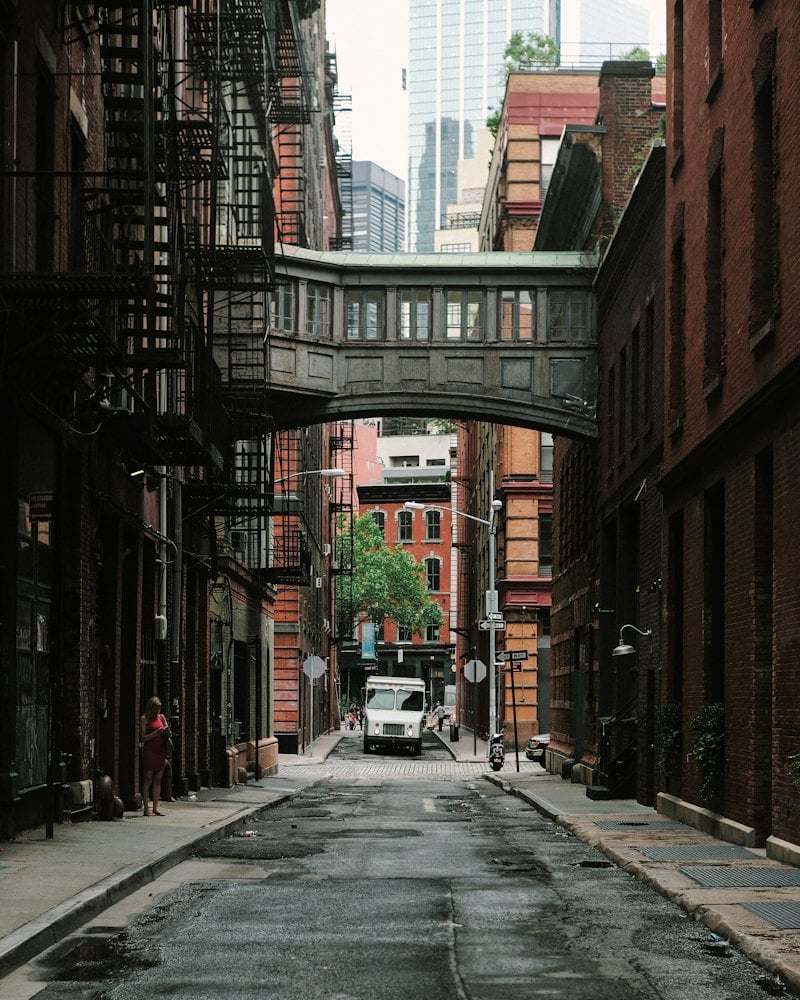
Tribeca's identity is 19th-century warehouses converted into lofts: cast-iron details, brick, huge windows, 12-foot ceilings. Much of the neighborhood sits in landmarked historic districts, which protects that streetscape and limits what can be built next to you. Alongside the lofts is a newer wave of glass towers with doormen, gyms, and pools. Know which one you want before you start. A loft has character, and it can come with quirks like low-floor-count buildings and no amenities. A new tower has services and often higher monthly charges.
What daily life looks like
- Groceries: the Whole Foods on Greenwich and Warren is a neighborhood anchor.
- Outdoors: Hudson River Park is your backyard, with running and bike paths along the water, and Pier 25's playground, mini golf and beach volleyball courts.
- Transit: the 1/2/3, A/C/E and more are within a few blocks. Financial District commutes are a short walk.
- Schools: public options include PS 150 and PS 234, and there's a strong private school scene nearby.
- Culture: the Tribeca Festival takes over the neighborhood each June, and the Ghostbusters firehouse on North Moore Street is a stop for visitors.